If a possible HIV exposure occurred within the last 72 hours, seek a PEP assessment as soon as possible. Do not wait for symptoms, a self-test or an online appointment. If more than 72 hours have passed, still seek assessment and a testing plan. [1]
While there is currently no cure for HIV, there are effective treatments available that can slow the progression of the virus and prevent the onset of AIDS, which is the most advanced stage of HIV infection. These treatments, known as antiretroviral therapy (ART), involve a combination of medications that target different stages of the virus's life cycle, and can significantly improve the quality of life and life expectancy of people living with HIV. [2]
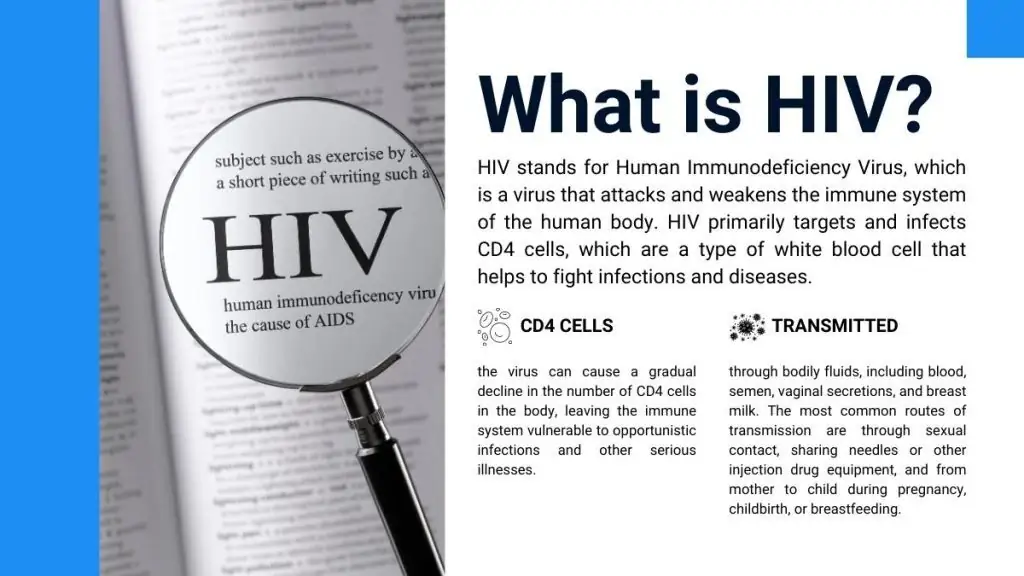
What is HIV?
HIV stands for Human Immunodeficiency Virus, which is a virus that attacks and weakens the immune system of the human body. HIV primarily targets and infects CD4 cells, which are a type of white blood cell that helps to fight infections and diseases. Over time, the virus can cause a gradual decline in the number of CD4 cells in the body, leaving the immune system vulnerable to opportunistic infections and other serious illnesses. [2]
HIV is transmitted through bodily fluids, including blood, semen, vaginal secretions, and breast milk. The most common routes of transmission are through sexual contact, sharing needles or other injection drug equipment, and from mother to child during pregnancy, childbirth, or breastfeeding. HIV cannot be transmitted through casual contact, such as hugging, shaking hands, or sharing food or drink. [3]
Understanding current HIV transmission
HIV is transmitted through specific fluids entering the body through a possible exposure route. Ordinary social contact, including hugging, shaking hands and sharing food, does not transmit HIV. A person’s identity or appearance does not establish their HIV status. [3]
HIV is transmitted through specific fluids entering the body through a possible exposure route. Ordinary social contact, including hugging, shaking hands and sharing food, does not transmit HIV. A person’s identity or appearance does not establish their HIV status. [3]
HIV testing should be selected and interpreted with a health care provider according to the test used, the timing of an exposure and any PrEP or PEP use. A historical account of HIV does not diagnose an individual or replace appropriate testing. [4]ลิงก์ประกอบเดิม 1
Learning about current prevention, testing and treatment is more useful for individual health decisions than guessing who acquired HIV first. HIV status is not a measure of character, and everyone deserves respectful care.

How can I determine if I have HIV?
Testing is needed to determine HIV status. Tests may use blood or oral fluid depending on the product and do not all look for the same markers. Turnaround time and the window period are different concepts. An early negative result may require repeat testing; a reactive screen needs confirmation. [4]ลิงก์ประกอบเดิม 1
It is important to note that not everyone with HIV experiences symptoms. In fact, many people with HIV may not experience any symptoms for several years.
It is recommended that everyone get tested for HIV at least once in their lifetime, and more frequently if they engage in behaviors that put them at risk for HIV infection. Risk factors for HIV infection include:
- Anal or vaginal sex can be possible routes of HIV transmission depending on the exposure and prevention used. Oral sex has little to no HIV risk and should not be grouped as equivalent. A person on ART who maintains viral suppression meeting U=U criteria does not transmit HIV through sex. [3] [5]ลิงก์ประกอบเดิม 1
- Sharing needles or other injection drug equipment with someone who has HIV or whose status is unknown
- A possible exposure to unscreened blood or contaminated medical equipment needs individual assessment; a historical year alone does not determine someone’s current HIV status. [3]
- Exposure during pregnancy, birth or breastfeeding needs an individual infant care and testing plan. A parent having HIV does not automatically mean a child has HIV. [6]
Seek assessment after a possible exposure rather than waiting for symptoms. PEP needs urgent assessment as soon as possible within 72 hours when indicated; if that time has passed, still seek care and a testing plan. An initial negative HIV test may not exclude the latest exposure. [4] [1]
Are there symptoms?
Some people have flu-like symptoms in the first weeks of HIV, while others have none. Symptoms on this list also occur with other conditions and cannot confirm or exclude HIV. Seek appropriate testing and assessment rather than diagnosing yourself from symptoms. [2] [4]
- Fever
- Headache
- Fatigue
- Swollen lymph nodes
- Sore throat
- Night sweats
- Skin rash
- Mouth sores
- Joint pain
These symptoms are similar to those of the flu or a cold and may go away on their own after a few weeks. As HIV progresses, more serious symptoms may develop, including:
- Persistent or recurring fever
- Rapid weight loss
- Chronic diarrhea
- Pneumonia
- Yeast infections
- Skin rashes or lesions
- Memory loss or confusion
- Depression or other mental health issues
If left untreated, HIV can lead to AIDS (Acquired Immunodeficiency Syndrome), which is the most advanced stage of HIV infection. People with AIDS have a severely weakened immune system and are at risk for life-threatening infections and cancers. [2]
Some people have flu-like symptoms in the first weeks of HIV, while others have none. Symptoms on this list also occur with other conditions and cannot confirm or exclude HIV. Seek appropriate testing and assessment rather than diagnosing yourself from symptoms. [2] [4]
What are the HIV stages?
HIV infection progresses through several stages, each with its own unique set of symptoms and effects on the body. The three main stages of HIV infection are:
Acute HIV infection
This stage occurs within the first few weeks after infection. During this stage, the virus replicates rapidly and the body produces an immune response. Symptoms may include fever, headache, rash, sore throat, and swollen lymph nodes. However, some people may not experience any symptoms at all.
Chronic HIV infection
During chronic HIV infection, HIV remains active and symptoms may be absent. The course differs between people and effective treatment can prevent progression. People on ART who maintain viral suppression meeting U=U criteria do not transmit HIV through sex; U=U is not a cure or an all-route guarantee. [2] [5]

AIDS (Acquired Immunodeficiency Syndrome)
AIDS is the most advanced stage of HIV disease, not an inevitable stage for everyone with HIV. Timing varies and symptoms alone cannot diagnose a stage. Effective treatment and care can substantially reduce illness and help people live long, healthy lives. [2] [4]
It is important to note that with proper treatment and adherence to antiretroviral therapy (ART), people living with HIV can maintain their health and delay the progression to AIDS. ART works by suppressing the replication of the virus, allowing the immune system to recover and preventing the onset of AIDS-related illnesses. [2]
Understanding the stages of HIV infection is important for early detection and treatment, as well as for preventing transmission to others. If you think you may have been exposed to HIV, it is important to get tested as soon as possible. Testing is available at many clinics, health centers, and testing sites, and many offer confidential
testing and counseling. It is important to note that HIV does not discriminate based on age, gender, race, or sexual orientation. Anyone can become infected with HIV, and everyone deserves access to prevention, testing, and treatment services. Through increased awareness, education, and access to healthcare, we can work towards ending
the HIV epidemic and improving the lives of people living with HIV.
หมายเหตุ บทความนี้ให้ข้อมูลความรู้ทั่วไป ไม่ใช่การวินิจฉัย และไม่ใช่คำแนะนำการใช้ยาเฉพาะบุคคล เรื่องยาและการรักษาเป็นการตัดสินใจร่วมกับแพทย์หรือเภสัชกรที่ดูแลคุณ ไม่ควรซื้อ เริ่ม หยุด หรือปรับยาด้วยตัวเอง หากมีข้อสงสัยเกี่ยวกับสุขภาพของตัวเอง ปรึกษาเจ้าหน้าที่สาธารณสุขหรือคลินิกใกล้บ้านได้เสมอ
อ้างอิงตามข้อความที่ตรวจทาน
- CDC (สหรัฐฯ): แนวทาง PEP ปี 2025
- WHO (องค์การอนามัยโลก): HIV และ AIDS
- CDC (สหรัฐฯ): ช่องทางถ่ายทอด HIV
- CDC (สหรัฐฯ): การตรวจ HIV และช่วงหน้าต่าง
- NIH (สหรัฐฯ): U=U และการถ่ายทอดทางเพศสัมพันธ์
- NIH (สหรัฐฯ): การดูแล HIV ระหว่างตั้งครรภ์และคลอด
ตรวจทานและปรับปรุงเนื้อหา: 24 ตุลาคม 2569