HIV is a virus; AIDS is an advanced stage of HIV-related illness, not a different transmissible virus. ART can control HIV and reduce illness. Symptoms and appearance cannot establish a person’s HIV status. [1]
After a possible exposure, seek urgent PEP assessment as soon as possible and start when indicated within 72 hours. Do not wait for symptoms or all pending laboratory results. If more time has passed, still seek assessment and a testing plan. [2]
HIV and AIDS are two closely related conditions that have affected millions of people worldwide. Although there have been significant advancements in the understanding and treatment of HIV and AIDS in recent years, there are still many misconceptions and stigmas surrounding these conditions. In this article, we provide a comprehensive guide to understanding HIV and AIDS, covering everything from transmission to treatment options.
Transmission
HIV is primarily transmitted through the exchange of bodily fluids, such as blood, semen, vaginal fluids, and breast milk. This can occur through sexual contact, sharing needles or other injection equipment, or from mother to child during pregnancy, childbirth, or breastfeeding. It's important to note that HIV cannot be transmitted through casual contact, such as hugging or kissing, or through the air. [3]
Symptoms
Symptoms of HIV can vary from person to person and may not appear for several years after infection. Some common symptoms include flu-like symptoms, such as fever, headache, and muscle aches, as well as rash, sore throat, and swollen lymph nodes. If left untreated, HIV can progress to AIDS, which is characterized by a weakened immune system and the development of opportunistic infections and cancers. [1]
Diagnosis
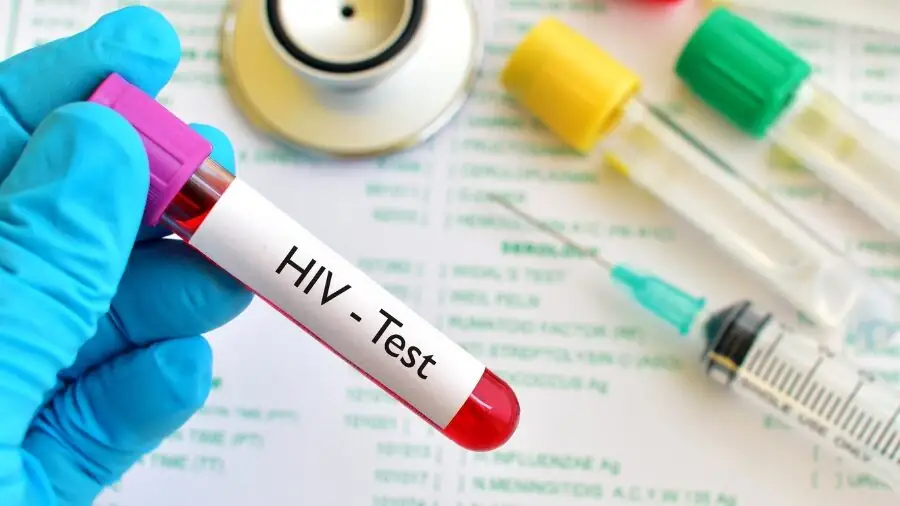
HIV testing may detect antibodies, antigen together with antibodies, or viral genetic material, depending on the test. An early negative result may need repeat testing based on the test, exposure timing and PrEP or PEP use. Reactive screening results need confirmation; an invalid result is not negative. Ask a provider for an appropriate testing plan. [4]


Treatment
There is currently no cure for HIV, but there are several treatment options available that can help to manage the virus and prevent it from progressing to AIDS. Antiretroviral therapy (ART) is the most common treatment for HIV, and it involves taking a combination of medications that target different stages of the virus's life cycle. It's important to start ART as early as possible to achieve the best outcomes. [1]
Prevention
Prevention options include condoms, not sharing needles or injection equipment, and PrEP for a person without HIV after appropriate assessment. Testing helps guide prevention and care but does not itself prevent transmission. A person on ART who maintains suppression meeting U=U criteria does not transmit HIV through sex; this is not a cure or a breastfeeding or needle-sharing guarantee. [5] [3] [6]ลิงก์ประกอบเดิม 1
Stigma
Stigma and discrimination can obstruct access to care and support. People with HIV deserve respect whether or not they have achieved viral suppression. They do not have to disclose their status publicly or educate others to deserve care. Information and supportive services can help, but no article guarantees that anxiety or discrimination will disappear. Seek support that fits your needs and safety. [7] [1]ลิงก์ประกอบเดิม 1 ลิงก์ประกอบเดิม 2
หมายเหตุ บทความนี้ให้ข้อมูลความรู้ทั่วไป ไม่ใช่การวินิจฉัย และไม่ใช่คำแนะนำการใช้ยาเฉพาะบุคคล เรื่องยาและการรักษาเป็นการตัดสินใจร่วมกับแพทย์หรือเภสัชกรที่ดูแลคุณ ไม่ควรซื้อ เริ่ม หยุด หรือปรับยาด้วยตัวเอง หากมีข้อสงสัยเกี่ยวกับสุขภาพของตัวเอง ปรึกษาเจ้าหน้าที่สาธารณสุขหรือคลินิกใกล้บ้านได้เสมอ
อ้างอิงตามข้อความที่ตรวจทาน
- WHO (องค์การอนามัยโลก): HIV และ AIDS
- CDC (สหรัฐฯ): แนวทาง PEP ปี 2025
- CDC (สหรัฐฯ): ช่องทางถ่ายทอด HIV
- CDC (สหรัฐฯ): การตรวจ HIV และช่วงหน้าต่าง
- CDC (สหรัฐฯ): การประเมินและติดตาม PrEP
- NIH (สหรัฐฯ): U=U และการถ่ายทอดทางเพศสัมพันธ์
- NIH (สหรัฐฯ): HIV และสุขภาพจิต
ตรวจทานและปรับปรุงเนื้อหา: 24 ตุลาคม 2569