If a possible HIV exposure occurred within the last 72 hours, seek a PEP assessment as soon as possible. Do not wait for symptoms, a self-test or an online appointment. If more than 72 hours have passed, still seek assessment and a testing plan. [1]
PEP means post-exposure prophylaxis: medication assessed after a possible HIV exposure. PrEP means pre-exposure prophylaxis, a prevention plan for people without HIV before possible exposure. They are not interchangeable and should not be started or changed from an online rule. [1] [2]
What is PEP?
PEP means post-exposure prophylaxis: medication assessed after a possible HIV exposure. PrEP means pre-exposure prophylaxis, a prevention plan for people without HIV before possible exposure. They are not interchangeable and should not be started or changed from an online rule. [1] [2]
Who Should Consider PEP?
recommended for individuals who have been recently exposed to HIV through high-risk activities. Such as
- PEP assessment considers the exposure, timing and prevention used, including a partner’s sustained viral suppression when relevant. It is not prescribed solely because of partner count, identity or unknown HIV status. [1] [3]
- A possible workplace blood exposure or contaminated needlestick needs prompt assessment through an appropriate health service; do not wait for symptoms or self-assess from an online list. [4]
- Needle Sharing: Individuals who share needles or syringes for injecting drugs, tattoos, or piercings with someone who has HIV.
- PEP assessment considers the exposure, timing and prevention used, including a partner’s sustained viral suppression when relevant. It is not prescribed solely because of partner count, identity or unknown HIV status. [1] [3]
How Does PEP Work?
PEP works by inhibiting the replication of HIV in the body, thus preventing the establishment of a permanent infection. The treatment regimen usually consists of a combination of antiretroviral drugs, similar to those used in the treatment of HIV-positive individuals. By initiating PEP as soon as possible after exposure, the likelihood of preventing HIV transmission increases significantly. [1]

How can I access?
Contact a service that can assess PEP promptly and state when the exposure occurred. Do not wait for a directory search or online appointment if this could delay care. Availability and the method of obtaining medicines need confirmation with the provider. [1]
Efficiency
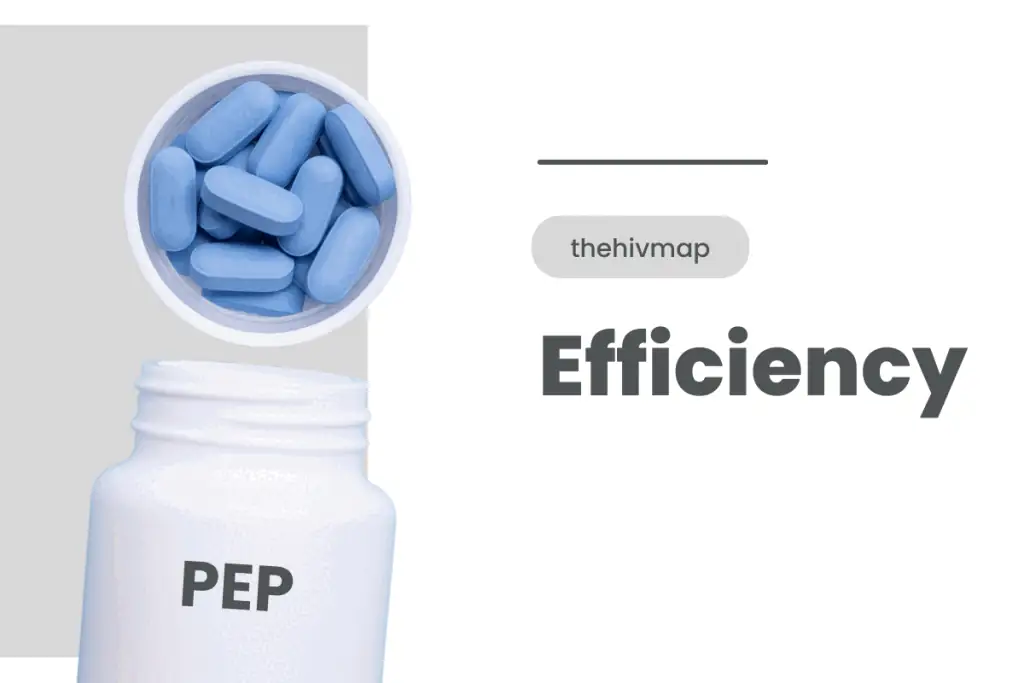
PEP reduces the chance of HIV when indicated and used appropriately, but no single percentage guarantees an individual outcome. A course is generally 28 days with provider-directed follow-up. HIV testing guides diagnosis and care; the test itself does not prevent HIV or other STIs. [1] [5] [6]ลิงก์ประกอบเดิม 1
Importance of Awareness and Education
Raising awareness and providing education about PEP is crucial for its successful implementation and uptake. Many individuals may not be aware of PEP or may hesitate to seek treatment due to stigma, lack of information, or misconceptions about HIV/AIDS
. By educating communities, healthcare providers, and at-risk populations about the availability and effectiveness of PEP, we can empower individuals to take control of their sexual health and reduce the incidence of new HIV infections.
Conclusion
Post-exposure prophylaxis is time-sensitive prevention after a possible HIV exposure, not a cure and not a before-exposure plan. Seek assessment as soon as possible within 72 hours when indicated. If more time has passed, still seek care and a testing and prevention plan. Barriers to care should be addressed without blame. [1]
หมายเหตุ บทความนี้ให้ข้อมูลความรู้ทั่วไป ไม่ใช่การวินิจฉัย และไม่ใช่คำแนะนำการใช้ยาเฉพาะบุคคล เรื่องยาและการรักษาเป็นการตัดสินใจร่วมกับแพทย์หรือเภสัชกรที่ดูแลคุณ ไม่ควรซื้อ เริ่ม หยุด หรือปรับยาด้วยตัวเอง หากมีข้อสงสัยเกี่ยวกับสุขภาพของตัวเอง ปรึกษาเจ้าหน้าที่สาธารณสุขหรือคลินิกใกล้บ้านได้เสมอ
อ้างอิงตามข้อความที่ตรวจทาน
- CDC (สหรัฐฯ): แนวทาง PEP ปี 2025
- CDC (สหรัฐฯ): การประเมินและติดตาม PrEP
- NIH (สหรัฐฯ): U=U และการถ่ายทอดทางเพศสัมพันธ์
- CDC (สหรัฐฯ): ช่องทางถ่ายทอด HIV
- CDC (สหรัฐฯ): การใช้ถุงยางและการจัดการเมื่อถุงยางแตก
- CDC (สหรัฐฯ): การตรวจ HIV และช่วงหน้าต่าง
ตรวจทานและปรับปรุงเนื้อหา: 24 ตุลาคม 2569