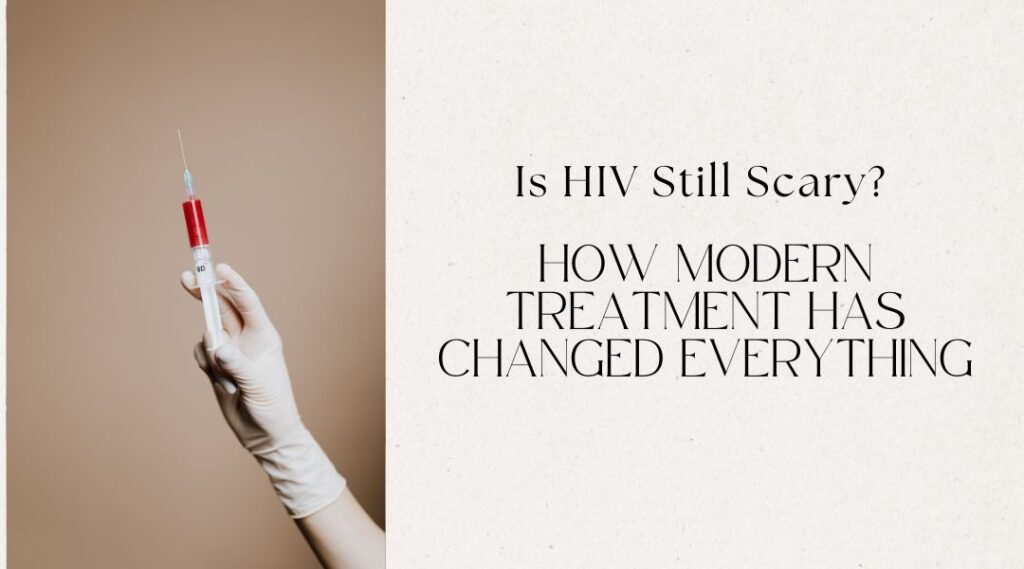
Is HIV Still Scary? For many people, the word HIV still triggers fear, anxiety, and outdated images from decades ago. In Thailand and many other countries, HIV is often associated with severe illness, rapid health decline, and social stigma. These perceptions are deeply rooted in the early years of the epidemic, when effective treatment was limited and outcomes were often poor.
However, in 2025, HIV is no longer the same disease it was in the past. Advances in antiretroviral therapy, early diagnosis, and global treatment guidelines have transformed HIV into a chronic, manageable condition. People living with HIV today can expect long, healthy lives—often comparable to those without HIV—when they receive proper care.
 This article explores whether HIV is still something to fear, how modern treatment has changed the reality of living with HIV, and why updated knowledge is essential for both individuals and society.
HIV Then vs. HIV Now: A Completely Different Reality
In the early years of the HIV epidemic, infection often led to severe immune suppression, opportunistic infections, and premature death. Treatment options were limited, toxic, and difficult to access. Many patients experienced serious side effects, and life expectancy was significantly shortened.
Today, HIV management has undergone a complete transformation. With early diagnosis and timely treatment, HIV is now considered a chronic condition rather than a fatal disease. Modern care focuses not only on survival but also on long-term quality of life, mental well-being, and social integration.

This shift has fundamentally changed what it means to live with HIV in the modern era.
How Modern Antiretroviral Therapy Has Changed Lives
Modern antiretroviral therapy (ART) is the cornerstone of HIV treatment today. Most people living with HIV now take a single pill once a day that suppresses viral replication and protects the immune system.
Compared to older medications, current ART offers significant advantages:

- Strong viral suppression with undetectable viral load
- Far fewer side effects and drug interactions
- Simpler dosing that improves adherence
- Long-term safety supported by extensive research
As a result, many people living with HIV can work full-time, exercise regularly, travel freely, and maintain active social and sexual lives without visible health limitations.
U=U: The Scientific Breakthrough That Changed Global HIV Understanding
One of the most important advances in HIV science is the concept known as U=U, which stands for Undetectable equals Untransmittable. This means that people living with HIV who maintain an undetectable viral load through consistent treatment cannot transmit the virus through sexual contact. Is HIV Still Scary?
This finding has been confirmed by multiple large-scale international studies and is endorsed by the World Health Organization (WHO) and leading public health institutions worldwide.

U=U has reshaped HIV prevention strategies and significantly reduced stigma. It confirms that people living with HIV who are in treatment are not a risk to their partners, fundamentally changing how HIV is viewed in relationships, families, and communities.
Living with HIV Today: How Normal Can Life Be?
With proper medical care, people living with HIV can lead lives that are nearly indistinguishable from those without the virus. They can pursue education, careers, long-term relationships, and family planning.
For individuals who wish to have children, medical advances have made it possible to prevent mother-to-child transmission almost entirely when appropriate treatment and monitoring are in place. Children born to parents living with HIV can be healthy and HIV-negative.
The main difference between living with and without HIV today lies in the need for medication adherence and regular medical follow-up—both of which are manageable aspects of modern healthcare.
Is HIV Still Dangerous from a Medical Perspective?
From a clinical standpoint, HIV itself is no longer considered highly dangerous when diagnosed early and treated properly. The greatest risks now come from late diagnosis, inconsistent treatment, or lack of access to care.
People who are unaware of their HIV status or delay treatment may still experience immune damage and serious complications. Therefore, the real danger lies not in HIV itself, but in undiagnosed or untreated infection.
Early testing and immediate initiation of treatment are key factors that determine long-term health outcomes.
Why Fear and Stigma Around HIV Still Exist
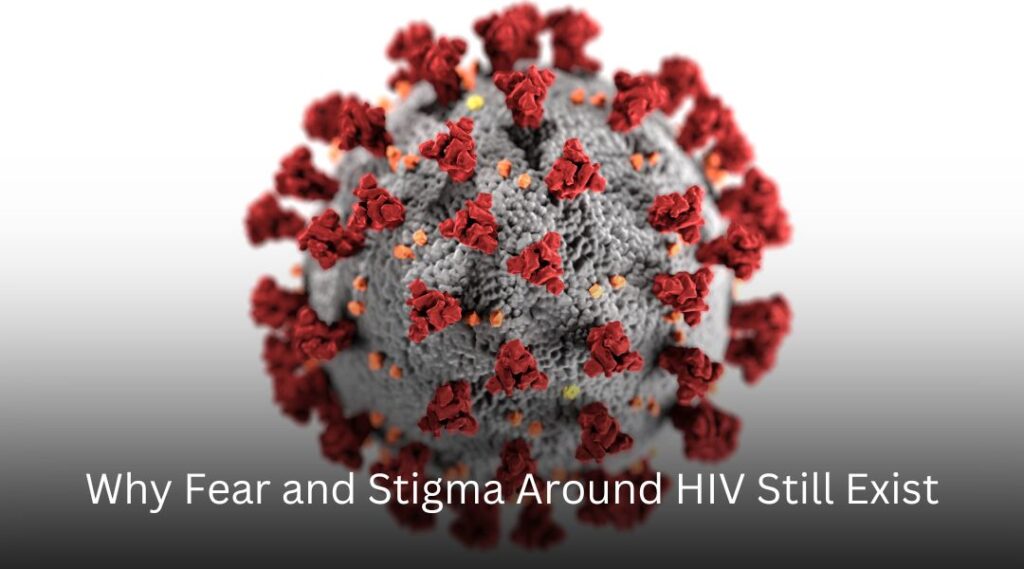
Despite medical progress, fear surrounding HIV persists due to outdated information, cultural beliefs, and lingering stigma. Many people still believe HIV is easily transmitted through casual contact or that people living with HIV are visibly ill.
These misconceptions contribute to discrimination and discourage individuals from seeking testing or treatment. Ironically, fear of HIV often causes more harm than the virus itself by delaying diagnosis and care.
Correcting misinformation is essential to reducing stigma and improving public health outcomes.
Early Testing: The Key to Making HIV Non-Threatening
HIV testing today is fast, accurate, confidential, and widely accessible. Early detection allows individuals to begin treatment before significant immune damage occurs, ensuring the best possible prognosis.
People who start treatment early experience better health outcomes and are far less likely to transmit HIV to others. Testing is no longer something to fear—it is a proactive step toward control, prevention, and peace of mind.
Routine testing should be viewed as a normal part of sexual health, not a sign of risky behavior.
The Future of HIV Treatment: What Comes Next?
Research into HIV treatment continues to advance rapidly. Long-acting injectable therapies, simplified treatment regimens, and innovative immune-based approaches are already changing how HIV is managed.
While a complete cure is not yet available, the trajectory of scientific progress suggests that HIV will become even easier to manage in the coming years. The focus is shifting toward convenience, long-term safety, and reducing treatment burden.
The future of HIV care is increasingly optimistic.
Conclusion Is HIV Still Scary?
So, is HIV still scary? In 2025, the answer depends largely on knowledge and access to care. Medically speaking, HIV is no longer the life-threatening diagnosis it once was. With modern treatment, people living with HIV can expect long, healthy, fulfilling lives and cannot transmit the virus when properly treated.
What remains truly dangerous is misinformation, stigma, and delayed testing. By embracing accurate information, regular testing, and early treatment, HIV becomes a manageable condition rather than a source of fear.
Understanding the reality of HIV today is essential—not only for those living with the virus, but for society as a whole.
Similar Posts
- CD4 | HIV viral load | U=U
U=U&ME Reducing the stigma of HIV-infected people
On May 3, 2024, a photo shoot for the U=U&ME campaign organized by the Love Foundation. At Crimson…
The Role of Community in HIV Prevention and Care
Community involvement is critical for HIV prevention and care. Community-based organizations, peer support networks, and other community-led initiatives…
HIV Antiretroviral Drugs and Quality of Life for People Living With HIV
Living with HIV has changed dramatically over the past few decades. What was once considered a life-threatening condition…
HIV and Mental Health: Addressing Stigma and Discrimination
Living with HIV can be a challenging experience, and it is often compounded by stigma and discrimination. Unfortunately,…
How to Talk to Your Partner About HIV and Safe Sex
Having open and honest conversations about HIV and safe sex with your partner is critical for protecting yourself…
Doxy-PEP: The New Trend in STI Prevention That Researchers Worldwide Are Watching Closely
Sexually transmitted infections (STIs) remain a global public health challenge in 2025, despite advances in prevention tools like condoms, HIV Pre-Exposure Prophylaxis (PrEP),vaccines and New Doxy-PEP. The rising rates of syphilis, gonorrhea, and chlamydia worldwide highlight the urgent need for new strategies to complement existing measures.