
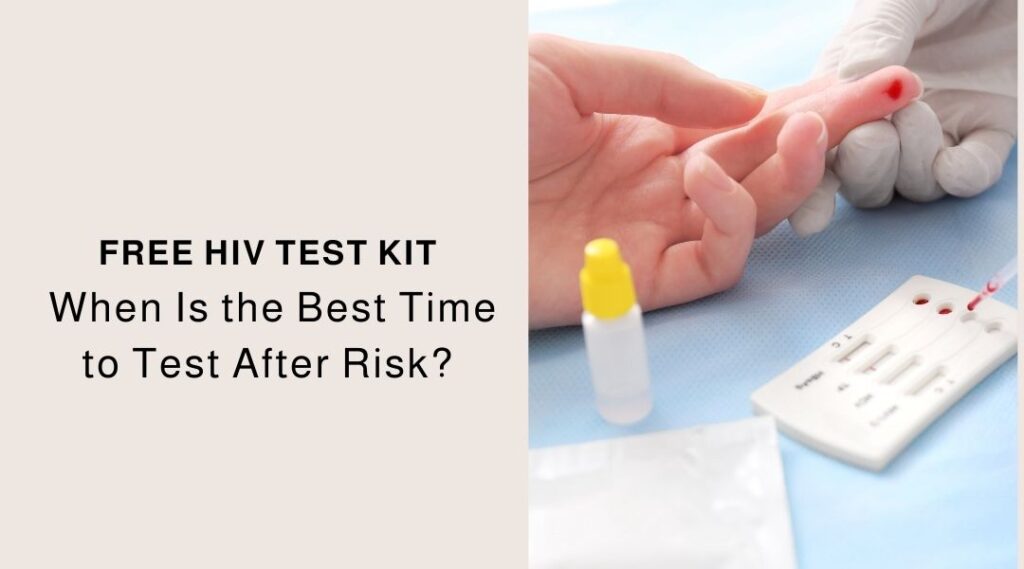
In recent years, the availability of free HIV test kit has transformed the landscape of public health. By removing the most common barriers to testing—such as financial cost, the stigma of visiting a clinic, and the inconvenience of scheduling appointments—these kits empower individuals to take charge of their health in the privacy of their own homes.
However, the convenience of a home kit is only valuable if the user understands when and how to use it. The most common pitfall is testing at the wrong time, leading to a false sense of security or unnecessary anxiety.

What Exactly Is a Free HIV Test Kit?
Distributed by health departments, non-profits, and community initiatives, these kits are screening tools designed for use outside of a hospital setting.
Most free kits utilize a rapid antibody test. Unlike a lab-based blood draw that might look for the virus itself (RNA) or viral proteins (antigens), these kits look for the antibodies your immune system creates in response to the virus.
- Method: Usually a simple oral swab (like the OraQuick) or a small finger-prick blood sample.
- Speed: Results typically appear on a plastic device—much like a pregnancy test—within 20 minutes.
- Purpose: They are meant for screening. A positive result is a “preliminary positive” and must be verified by a medical professional.
The Science of Timing: The “Window Period”
The primary limitation of any HIV test is the window period. This is the duration of time it takes for your body to produce enough antibodies to be detected by the test. If you test too soon after a potential exposure, there may be plenty of virus in your system, but not enough antibodies for the kit to “see” it.

Why You Can’t Test the “Day After”
Testing immediately after a risky encounter will almost always yield a negative result, but this result is meaningless. The human body generally takes several weeks to mount a detectable immune response. During this early stage (acute infection), a person is often highly infectious because their viral load is high, even though an antibody test says they are “negative.”
The Recommended Testing Timeline
To ensure the highest level of accuracy, health professionals suggest following this chronological guide after a potential exposure:
Phase 1: The “Too Early” Zone (0–3 Weeks)
Testing in this window is generally not recommended unless you are experiencing severe symptoms of acute HIV. A negative result during this time is not reliable and should not be used to make health decisions.

Phase 2: The Early Indicator (4–6 Weeks)
By the one-month mark, many people will have developed enough antibodies to be detected. A negative result at 6 weeks is a very good sign and provides significant “preliminary” reassurance, but it is not yet 100% conclusive.
Phase 3: The Conclusive Milestone (12 Weeks / 3 Months)
This is the “gold standard” for antibody tests. For the vast majority of the population, the immune system will have produced a clear, detectable level of antibodies by 90 days post-exposure. A negative result at 12 weeks is considered definitive.
How to Use the Kit Correctly
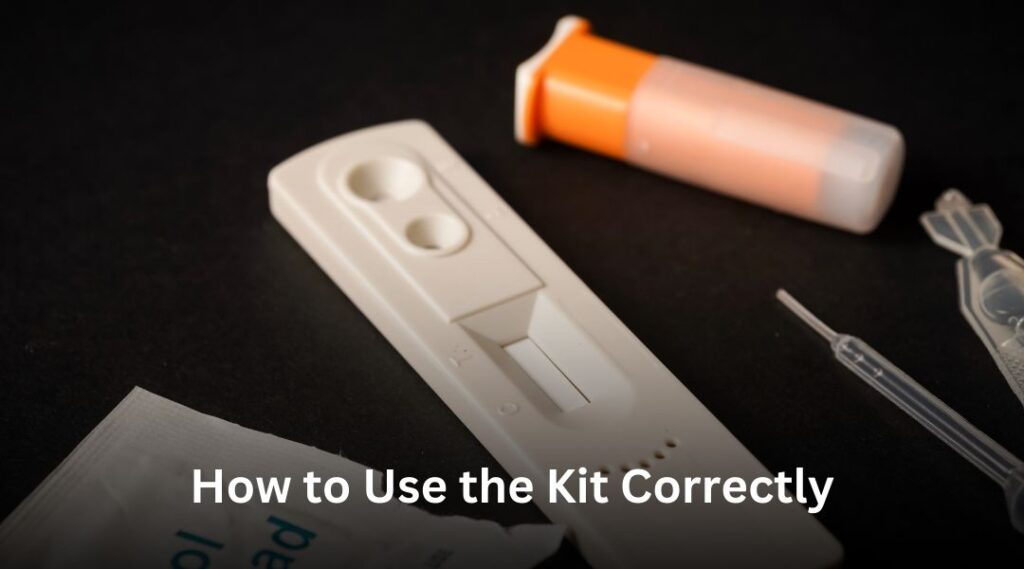
Human error is the leading cause of “invalid” results. To ensure your kit works as intended:

- The 30-Minute Rule: For oral tests, do not eat, drink, or use oral care products (mouthwash, toothpaste) for 30 minutes before testing. This can dilute the sample.
- Check the Expiry: Chemicals in the test fluid (buffer) can degrade over time. Never use a kit past its expiration date.
- The Reading Window: If the instructions say to read the result at 20 minutes, do not wait until 60 minutes. After a certain point, “evaporation lines” can appear, which may look like a faint positive but are actually just the test drying out.
Navigating Your Results
If Your Result is Positive
A positive result on a home kit can be a shock, but it is important to remember that it is a preliminary result.
- Seek Confirmation: Go to a clinic for a confirmatory blood test (often called a Western Blot or a 4th Generation lab test).
- Act Quickly: Modern HIV treatment (ART) is so effective that it can reduce the virus to “Undetectable” levels. This means you can live a full life expectancy and have a zero percent chance of passing the virus to partners.
If Your Result is Negative
- Check the Calendar: If your last potential exposure was less than 3 months ago, you must test again at the 12-week mark.
- Assess Future Risk: If you find yourself needing to test frequently, you may be a candidate for PrEP (Pre-Exposure Prophylaxis), a daily pill that prevents HIV infection.
The Broader Impact: Why Testing Matters
Beyond individual health, Free HIV Test Kit are a cornerstone of ending the epidemic. When more people know their status, the cycle of transmission is broken. These kits offer a bridge to care for those who might otherwise never step foot in a sexual health clinic due to fear of judgment or lack of resources.
Summary: At-home testing is a powerful, empowering tool. By respecting the 12-week window period and following the instructions meticulously,


