Living with HIV has changed dramatically over the past few decades. What was once considered a life-threatening condition with limited treatment options is now recognized as a manageable chronic health condition for millions of people around the world. At the center of this transformation are HIV Antiretroviral Drugs, which have significantly improved survival rates, overall health outcomes, and quality of life for people living with HIV. Modern HIV treatment is more advanced, safer, and easier to manage than ever before. Many individuals who start treatment early and remain consistent with their medication can live long, healthy, and productive lives. Antiretroviral therapy not only suppresses the virus but also helps restore the immune system, reduces the risk of HIV-related complications, and prevents HIV transmission to sexual partners when viral suppression is maintained.
Understanding how HIV Antiretroviral Drugs work and how they influence physical health, emotional well-being, relationships, and daily living is important for anyone affected by HIV. Whether newly diagnosed or living with HIV for many years, access to accurate information can help people make informed decisions about their treatment and long-term health.
Contents
What Are HIV Antiretroviral Drugs?
HIV Antiretroviral Drugs are medications used to treat Human Immunodeficiency Virus (HIV). These drugs work by preventing the virus from multiplying inside the body. HIV attacks the immune system, specifically CD4 cells, which are essential for fighting infections and maintaining overall health. Without treatment, HIV can weaken the immune system over time and progress to AIDS. Antiretroviral therapy, commonly called ART, involves taking a combination of HIV medications every day. Using multiple drugs together is important because HIV can mutate rapidly. Combination therapy reduces the likelihood of drug resistance and improves the effectiveness of treatment.
Today’s HIV treatment regimens are highly effective and often involve only one pill per day. Many modern medications combine several antiretroviral drugs into a single tablet, making treatment more convenient and improving adherence. The primary goals of HIV Antiretroviral Drugs include reducing the amount of HIV in the body to undetectable levels, strengthening the immune system, preventing HIV-related illnesses, and reducing the risk of transmission.
How HIV Antiretroviral Drugs Work
HIV reproduces through a complex life cycle involving several stages. HIV Antiretroviral Drugs target specific parts of this cycle to stop the virus from replicating. Different classes of antiretroviral drugs work in different ways. Nucleoside Reverse Transcriptase Inhibitors prevent HIV from converting its RNA into DNA. Non-Nucleoside Reverse Transcriptase Inhibitors interfere with the same process but through a different mechanism. Protease Inhibitors block an enzyme HIV needs to mature and infect new cells. Integrase Inhibitors prevent HIV DNA from integrating into the host cell’s DNA. Entry and Fusion Inhibitors stop the virus from entering healthy immune cells.
Because HIV uses multiple steps to reproduce, combining medications from different drug classes creates a powerful defense against the virus. This combination approach is what makes modern HIV treatment highly successful. When treatment is taken consistently, viral load can decrease to undetectable levels within several months. An undetectable viral load means the amount of HIV in the blood is so low that standard laboratory tests cannot detect it.
The Importance of Early HIV Treatment
Starting HIV Antiretroviral Drugs as early as possible is one of the most important factors in maintaining long-term health. Research consistently shows that early treatment improves outcomes and reduces the risk of serious complications. When HIV is left untreated, ongoing viral replication damages the immune system and increases inflammation throughout the body. This can lead to infections, cancers, cardiovascular disease, kidney disease, and neurological complications.
Early treatment helps preserve immune function and reduces chronic inflammation. People who begin ART soon after diagnosis are more likely to maintain higher CD4 counts and experience better long-term health. Immediate treatment also reduces the risk of HIV transmission. Scientific evidence has confirmed that individuals with a sustained undetectable viral load cannot sexually transmit HIV to their partners. This concept is widely known as Undetectable Equals Untransmittable, or U=U.
Viral Suppression and Better Health Outcomes
One of the greatest achievements of HIV Antiretroviral Drugs is the ability to achieve viral suppression. Viral suppression occurs when HIV levels become extremely low due to effective treatment. Maintaining viral suppression provides several health benefits. It protects the immune system from further damage, lowers the risk of opportunistic infections, and improves overall physical health. People with suppressed viral loads also experience fewer HIV-related symptoms and hospitalizations.
Long-term viral suppression is associated with near-normal life expectancy for many people living with HIV. Advances in treatment have made it possible for individuals with HIV to pursue careers, relationships, travel, education, and family goals with greater confidence. Achieving viral suppression requires adherence to treatment. Missing doses regularly can allow the virus to multiply and potentially develop resistance to medications. Healthcare providers often emphasize the importance of taking HIV medications exactly as prescribed.
HIV Antiretroviral Drugs and Physical Quality of Life
Physical health is a major component of quality of life for people living with HIV. Effective HIV treatment can dramatically improve energy levels, immune function, and overall well-being. Before modern ART became available, people living with HIV often experienced severe infections, weight loss, fatigue, and chronic illness. Today, consistent treatment helps many individuals maintain normal daily activities and good physical health.
HIV Antiretroviral Drugs reduce the frequency of opportunistic infections and HIV-related complications. As the immune system recovers, the body becomes more capable of fighting bacteria, viruses, and other pathogens. Many people report improvements in sleep, appetite, energy, and physical strength after starting treatment. Effective HIV management also reduces the risk of hospitalization and serious illness. Regular medical care remains important even with successful treatment. Monitoring viral load, CD4 count, kidney function, liver function, and cardiovascular health helps ensure long-term treatment success.

Mental Health and Emotional Well-Being
Living with HIV can affect emotional and psychological health. Anxiety, depression, fear of stigma, and concerns about relationships are common experiences for many people after diagnosis. HIV Antiretroviral Drugs can improve mental well-being by reducing uncertainty about health outcomes. Knowing that HIV can be effectively managed often brings relief and hope.
Many individuals experience reduced stress once viral suppression is achieved. The ability to maintain good health and prevent transmission can positively influence self-esteem and emotional stability. However, mental health support remains essential. Some people may struggle with medication fatigue, stigma, isolation, or anxiety about disclosure. Access to counseling, peer support groups, and mental health professionals can significantly improve quality of life.
Healthcare providers increasingly recognize the importance of integrating mental health care into HIV treatment programs. Emotional support and psychological care are now considered important aspects of comprehensive HIV management.
Relationships, Intimacy, and Social Life
HIV Antiretroviral Drugs have transformed relationships and intimacy for people living with HIV. Effective treatment allows many individuals to build healthy romantic and sexual relationships without fear of transmitting the virus. The U=U message has helped reduce fear and misinformation surrounding HIV transmission. When a person maintains an undetectable viral load through consistent treatment, they cannot sexually transmit HIV.
This scientific breakthrough has improved confidence, reduced stigma, and strengthened relationships for many people living with HIV. Couples can make informed decisions about intimacy and family planning with greater reassurance. Despite medical advances, social stigma remains a challenge in many communities. Some individuals still face discrimination or misunderstanding related to HIV status. Education and awareness are essential for reducing stigma and promoting acceptance. Supportive relationships and social connections play an important role in maintaining treatment adherence and emotional health. Having trusted friends, partners, or healthcare providers can improve resilience and overall well-being.
HIV Antiretroviral Drugs and Long-Term Health
As people with HIV live longer, long-term health management has become increasingly important. HIV Antiretroviral Drugs help reduce HIV-related complications, but aging with HIV may involve additional health considerations. Chronic inflammation associated with HIV can increase the risk of cardiovascular disease, diabetes, osteoporosis, and kidney problems. Regular medical monitoring helps identify and manage these risks early.
Modern HIV medications are generally safer and better tolerated than older treatments. Many newer regimens have fewer side effects and lower risks of long-term toxicity. Lifestyle factors also influence long-term health outcomes. Healthy eating, exercise, smoking cessation, stress management, and adequate sleep support overall wellness for people living with HIV. Vaccinations, routine screenings, and preventive healthcare are essential components of long-term HIV management. Comprehensive care helps people maintain independence and quality of life as they age.
Common Side Effects of HIV Antiretroviral Drugs
Although modern HIV medications are much safer than earlier treatments, side effects can still occur. The severity and type of side effects vary depending on the medication and the individual. Some people experience mild symptoms when starting treatment, such as nausea, headache, fatigue, diarrhea, or dizziness. These side effects often improve over time as the body adjusts to the medication. Certain antiretroviral drugs may affect cholesterol levels, kidney function, bone density, or liver health. Healthcare providers monitor these factors through regular blood tests and medical evaluations.
Communication with healthcare professionals is important if side effects occur. In many cases, treatment regimens can be adjusted to improve comfort and tolerability without compromising effectiveness. Adherence remains critical even when side effects are present. Stopping treatment without medical guidance can lead to viral rebound and drug resistance.
Medication Adherence and Daily Life
Consistent adherence to HIV Antiretroviral Drugs is essential for treatment success. Taking medications daily helps maintain viral suppression and prevents resistance. Modern treatment regimens are more convenient than older therapies. Many people only need one tablet per day, which simplifies adherence and integrates more easily into daily routines. Despite these advances, some individuals still face challenges with medication adherence. Busy schedules, travel, mental health concerns, stigma, housing instability, or financial difficulties can affect consistency.
Healthcare providers often work with patients to develop personalized adherence strategies. Phone reminders, pill organizers, support networks, and simplified treatment plans can improve medication consistency. Successful adherence contributes not only to better health outcomes but also to peace of mind and confidence in long-term HIV management.
HIV Treatment and Prevention
HIV Antiretroviral Drugs play a major role in both treatment and prevention. Treatment as prevention is now a central component of global HIV strategies. When people living with HIV achieve and maintain an undetectable viral load, the risk of sexual transmission becomes effectively zero. This has transformed public health approaches to HIV prevention.
Antiretroviral medications are also used for HIV prevention in HIV-negative individuals. Pre-Exposure Prophylaxis, known as PrEP, involves taking HIV medications before potential exposure to reduce the risk of infection. Post-Exposure Prophylaxis, or PEP, is used after possible exposure to HIV.
Together, ARV, PrEP, and PEP form a comprehensive approach to HIV prevention and care. Increased access to these tools has helped reduce new HIV infections in many regions. Public education remains important because misconceptions about HIV transmission continue to contribute to stigma and fear.
Advances in Modern HIV Treatment
The field of HIV medicine continues to evolve rapidly. New HIV Antiretroviral Drugs and treatment strategies are improving convenience, effectiveness, and quality of life. Long-acting injectable treatments are one of the most significant recent developments. Some individuals can now receive HIV treatment injections monthly or every two months instead of taking daily pills.
Researchers are also exploring implants, broadly neutralizing antibodies, and other innovative therapies that may further simplify HIV management in the future. Modern HIV medications are designed to minimize side effects while maintaining strong viral suppression. Many newer drugs have improved safety profiles and fewer interactions with other medications. Ongoing research aims to improve treatment access globally and address disparities in HIV care among underserved populations.
Reducing HIV Stigma Through Education
Stigma remains one of the greatest barriers to quality of life for people living with HIV. Fear, misinformation, and discrimination can negatively affect mental health, relationships, employment, and healthcare access. Education about HIV Antiretroviral Drugs and viral suppression is essential for combating stigma. Many outdated beliefs about HIV persist despite scientific advances.
Understanding that HIV is manageable and that undetectable individuals cannot sexually transmit the virus can help reduce fear and discrimination. Accurate information empowers communities to support people living with HIV with compassion and respect. Healthcare settings also play a critical role in reducing stigma. Respectful, inclusive, and confidential care encourages individuals to seek testing and treatment without fear of judgment. Media representation, public health campaigns, and community advocacy continue to shape public understanding of HIV and contribute to social change.
Access to HIV Antiretroviral Drugs Worldwide
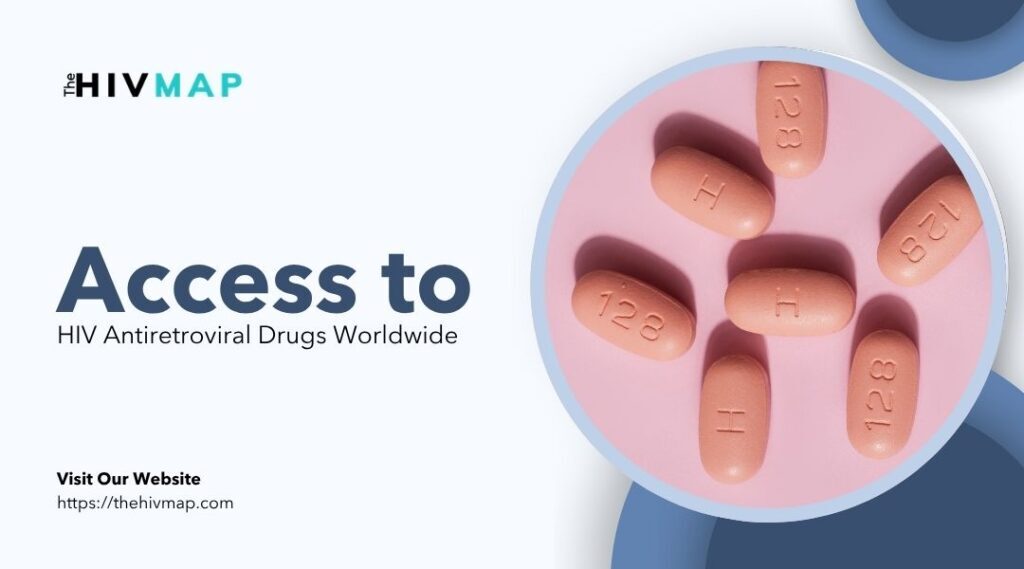
Access to HIV treatment varies significantly across countries and regions. While many high-income countries have broad access to ART, barriers remain in some low- and middle-income settings. Cost, healthcare infrastructure, stigma, legal barriers, and supply chain issues can affect treatment availability. International organizations and governments continue working to expand access to HIV medications worldwide.
Generic antiretroviral drugs have helped reduce treatment costs and increase availability in many countries. Public health programs and community clinics also play important roles in connecting people to care. Improving access to HIV Antiretroviral Drugs is essential for reducing HIV-related deaths and preventing new infections globally. Early diagnosis and immediate treatment access are critical for improving health outcomes and reducing transmission rates.
Living a Full Life With HIV
People living with HIV today can pursue long-term goals and maintain fulfilling lives. Effective HIV treatment has transformed expectations regarding career development, relationships, parenthood, and aging. Many individuals living with HIV successfully manage their health while maintaining active social and professional lives. With proper medical care and adherence to treatment, HIV no longer defines a person’s future in the same way it once did.
Self-care, emotional support, and regular healthcare contribute significantly to quality of life. Staying informed about treatment options and maintaining open communication with healthcare providers can empower individuals to take control of their health. Community support and advocacy continue to strengthen HIV awareness and encourage inclusive healthcare environments.
Conclusion
HIV Antiretroviral Drugs have revolutionized HIV care and significantly improved the quality of life for people living with HIV. Modern treatment allows individuals to achieve viral suppression, protect their immune systems, prevent HIV transmission, and live longer, healthier lives. Beyond physical health, effective HIV treatment supports emotional well-being, strengthens relationships, and reduces fear surrounding HIV diagnosis. Continued advancements in medication and public health education are helping reshape how society understands and manages HIV.