Searching for an HIV clinic near me is often the first step toward taking control of your health. Whether you need HIV testing, treatment, PrEP, PEP, counseling, or community support, finding a reliable clinic quickly can make a real difference. This 2026 guide explains how to use an HIV Support Services Map, what services to expect, how to choose the right clinic, and how to stay safe while accessing care.

What Is an HIV Support Services Map?
An HIV Support Services Map is an online directory or interactive platform that helps you locate healthcare providers offering HIV-related services near you. These maps commonly cover:
- HIV testing
- HIV treatment (ART)
- PrEP services
- PEP services
- STI screening
- Mental health support
- Community counseling
- Case management
- Support groups
Many organizations listed on these maps also provide educational resources, referrals, and prevention programs alongside direct medical care.
Why Search for an HIV Clinic Near Me?
Searching for an HIV clinic near me instead of a distant or unfamiliar provider allows you to receive timely healthcare close to home. The benefits include:
- Faster access to testing
- More convenient follow-up appointments
- Better continuity of care
- Reduced travel costs
- Easier access to emergency HIV services
- Improved long-term treatment outcomes
Finding nearby services also encourages regular healthcare visits rather than delaying important medical care.

Common HIV Services Available Near You
| Service | Purpose | Who May Benefit |
|---|---|---|
| HIV Testing | Determine HIV status | Anyone who may have been exposed or wants routine screening |
| PrEP | HIV prevention medication | HIV-negative individuals at ongoing risk |
| PEP | Emergency HIV prevention | Individuals with recent potential exposure |
| ART Treatment | HIV medical treatment | People living with HIV |
| STI Screening | Detect sexually transmitted infections | Sexually active individuals |
| Counseling | Emotional and educational support | Anyone seeking guidance or support |
What Services Should You Expect at an HIV Clinic?
A quality HIV clinic often offers far more than testing alone. Many centers provide:
- Confidential consultations
- Laboratory testing
- Treatment planning
- Medication management
- Prevention education
- Sexual health counseling
- Mental health referrals
- Community support programs
Some organizations also offer patient navigation services to help you access additional healthcare resources beyond the clinic itself.
How to Choose the Right HIV Clinic Near Me
Not every healthcare provider offers the same range of services. When choosing an HIV clinic near me, consider:

- Professional, experienced medical staff
- Confidential, patient-centered care
- Easy appointment scheduling
- Comprehensive HIV services under one roof
- PrEP and PEP availability
- LGBTQ+-inclusive healthcare practices
- Convenient location and hours
- Positive patient reviews and experiences
Selecting a clinic that genuinely matches your healthcare needs improves long-term engagement in care.
How Online HIV Service Maps Help
Modern HIV service directories offer several clear advantages. Using an interactive map, you can quickly:
- Compare nearby clinics side by side
- View operating hours
- Access up-to-date contact information
- Read detailed service descriptions
- Check available prevention and treatment programs
- Plan transportation in advance
- Schedule appointments online
Interactive maps reduce uncertainty and make finding HIV healthcare far easier than relying on word of mouth alone.

How to Prepare Before Visiting a Clinic
- Bring identification if required by the clinic
- Write down any health questions in advance
- Note the date of any recent HIV exposure, if applicable
- Bring a list of current medications
- Arrive a few minutes early for your appointment
- Ask about available prevention programs, like PrEP or PEP
Being prepared helps healthcare providers offer more personalized, efficient care.
Red Flags to Watch For When Choosing a Clinic
Most healthcare providers are professional, but it’s still worth evaluating any clinic carefully. Watch out for:
- Lack of confidentiality
- Disrespectful or dismissive staff
- Outdated medical information
- Unclear pricing or billing practices
- Poor communication
- No follow-up care offered
- Limited patient education
Healthcare should always feel respectful, confidential, and centered around your needs.
HIV Care Is More Than Medical Treatment
Comprehensive HIV care often extends well beyond medication and testing, including:
- Mental health support
- Peer counseling
- Nutrition guidance
- Housing referrals
- Legal support
- Community education
- Social services
These wraparound resources can significantly improve quality of life alongside clinical treatment.
How Technology Is Changing HIV Care in 2026
Digital healthcare continues improving access to HIV services worldwide. Current innovations include:
- Online appointment booking
- Digital patient records
- Telehealth consultations
- Medication reminders
- Interactive HIV service maps
- Secure messaging with healthcare providers
- Community resource directories
Technology continues to remove barriers to healthcare while improving convenience for patients.
Why Early HIV Care Matters
Early HIV diagnosis provides significant, lasting health benefits. People who receive timely care can:
- Begin treatment sooner
- Protect immune system function
- Improve long-term health outcomes
- Reduce the risk of complications
- Receive prevention counseling earlier
- Access supportive services sooner
Regular testing remains one of the most important components of HIV prevention and early care.
Community Organizations Make a Real Difference
Many HIV support organizations provide services that go beyond medical treatment, such as:
- Peer support
- Education workshops
- Prevention campaigns
- Community outreach
- Mental wellness programs
- Social activities
- Advocacy
Community-based organizations often help reduce stigma while improving access to healthcare for everyone.
The Future of HIV Support Services
Healthcare continues evolving to become more accessible for everyone. Important trends shaping 2026 include:
- AI-assisted appointment systems
- Expanded telemedicine options
- Integrated sexual health clinics
- Better digital navigation tools
- Mobile testing programs
- Community-centered healthcare models
- Increased focus on mental wellness
These improvements help individuals access comprehensive HIV services more efficiently than ever before.
Finding Trusted HIV Information
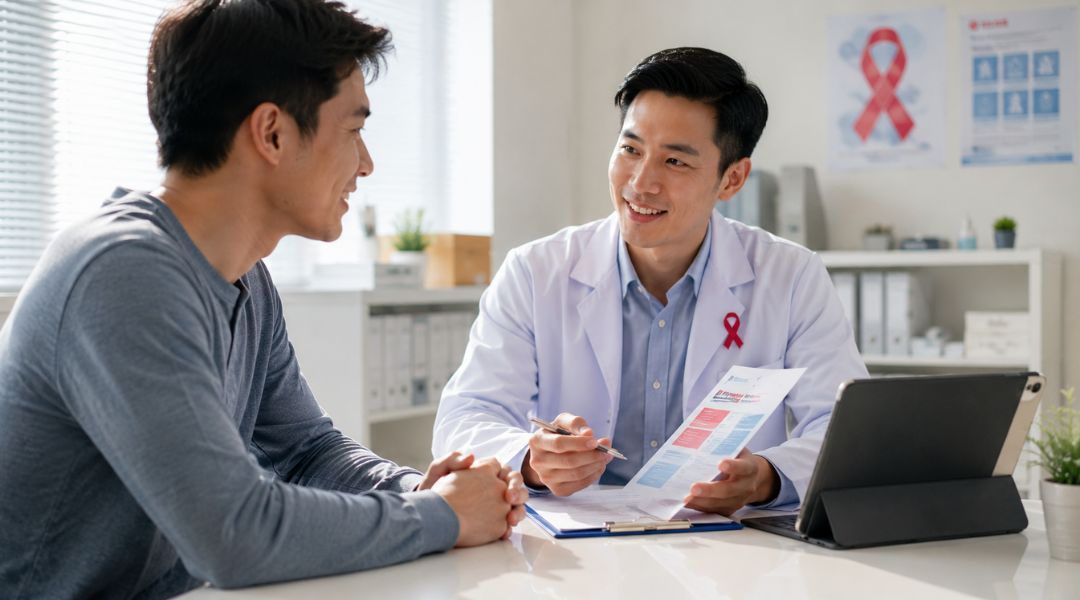
Reliable information is just as important as finding quality healthcare. If you’d like to learn more about HIV treatment, prevention, advocacy, and community news, visit POZ Magazine, one of the world’s leading resources dedicated to people living with HIV and HIV education.
Frequently Asked Questions
How do I find an HIV clinic near me?
Use trusted healthcare directories, government health websites, community organization listings, or a verified HIV Support Services Map that provides updated clinic information and available services.
Can I visit an HIV clinic without symptoms?
Yes. HIV testing is recommended based on risk factors and routine screening guidelines, even if you have no symptoms at all.
Are HIV clinics confidential?
Most HIV clinics follow strict patient privacy and confidentiality standards. If you have concerns, ask about the clinic’s confidentiality policies before your appointment.
What services are usually available at an HIV clinic?
Many clinics provide HIV testing, ART treatment, PrEP, PEP, STI testing, counseling, prevention education, and referrals to additional healthcare and social services.
Should I schedule an appointment first?
Many clinics accept walk-in patients, while others recommend scheduling appointments online or by phone in advance. Checking ahead of time can reduce your waiting time.
Final Thoughts
Searching for an HIV clinic near me is an important step toward protecting your health and accessing quality care. Modern HIV Support Services Maps make it easier than ever to locate trusted clinics, prevention programs, counseling services, and treatment providers close to home. Whether you’re seeking HIV testing, PrEP, PEP, long-term treatment, or community support, choosing a reputable healthcare provider leads to better outcomes and greater peace of mind.
Similar Posts
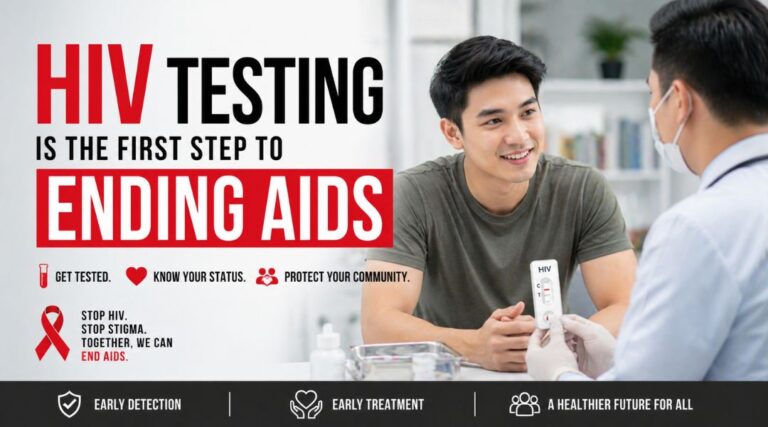
HIV Testing Is the First Step to Ending AIDS
Why does HIV testing matter? Who should get tested, where to get an HIV test in Thailand, and what to do after your results. A complete 2026 guide covering PrEP, U=U, and treatment options.
Understanding HIV Testing: What You Need to Know
HIV (human immunodeficiency virus) is a serious health condition that affects millions of people worldwide. Early diagnosis and…
Benefits of HIV testing
HIV (Human Immunodeficiency Virus) is a virus that attacks the immune system and weakens. It over time, leading…
How to Talk to Your Partner About HIV and Safe Sex
Having open and honest conversations about HIV and safe sex with your partner is critical for protecting yourself…
STD Clinic Near Me: Your Guide to Fast, Confidential, and Reliable Sexual Health Services
Sexual health is a crucial component of overall well-being, yet many people overlook routine screenings or wait until symptoms appear. The reality is that sexually transmitted diseases (STDs) often show no symptoms at all in the early stages, but can still lead to serious health complications if left untreated. That’s why locating an STD clinic near me is not just convenient—it’s essential.
PrEP for Serodiscordant Couples | Building a More Confident Life Together
Love should never be limited by health status — especially for serodiscordant couples, where one partner is living…